
FRP Handrail & Fiberglass Guardrail System
FRP handrail and guardrail systems provide corrosion-proof, non-conductive edge and platform protection that is light to install and needs no painting or welding.
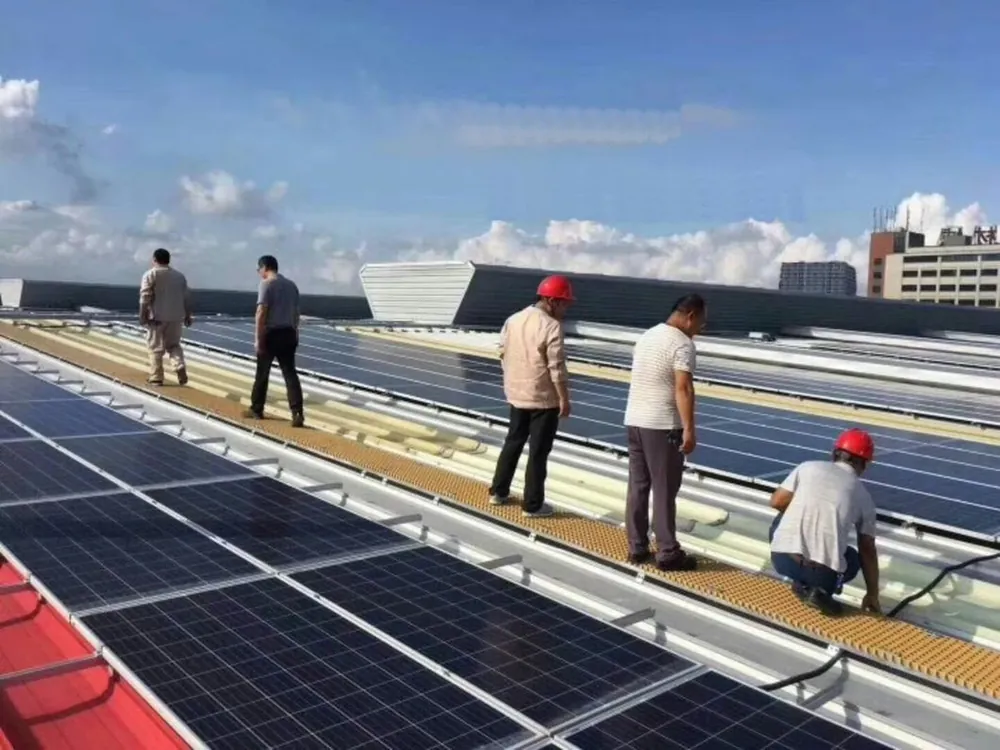
FRP handrail uses pultruded fiberglass rails and posts joined with molded fittings to form guardrail, stair rail and barrier systems.
Because fiberglass does not rust, the system needs no painting or welding, is non-conductive and is far lighter than steel, making it ideal for chemical, coastal, utility and food environments.
Modular components can be configured to any layout, with gates and kick plates available.
Key Benefits
- Will not rust or corrode, no painting needed
- Non-conductive for electrical and chemical areas
- Lightweight modular parts, no welding
- Low maintenance and easy to extend
- Available with gates and kick plates
Typical Specifications
| Material | Pultruded FRP |
| Rail | Round / square tube |
| Post spacing | Standard guardrail spacing |
| Fittings | Molded FRP connectors |
| Resin | Isophthalic / vinyl ester |
| Color | Yellow, gray, custom |
| Options | Gates, kick plates |
Common Applications
- Platform and walkway edges
- Stair and ramp rails
- Chemical and coastal facilities
- Utility and substation areas
- Food and beverage plants
- Rooftop guardrail
Frequently Asked Questions
FRP Handrail Profiles for Corrosion-Free Guard and Rail Systems
Tube and Roundbar Sizes
FRP Handrail Profiles are pultruded round tubes, top rails and mid-rails sized to standard guard duty: 42.4 mm and 48.3 mm diameter top rails, 33.7 mm mid-rails, 48.3 mm square and round posts, plus handrail toe-boards and return bends. The glass-fibre rovings carry bending and impact, while the resin veil gives a smooth, corrosion-proof outer skin that never rusts, flakes or needs painting — the reason FRP rail is preferred in wastewater, coastal and chemical plant.
All profiles are open pultruded tubes, lightweight yet stiff, and they couple with moulded FRP elbow, tee and base fittings in the same resin colour. See the FRP handrail page for the tube schedule; larger structural profiles form the posts where longer posts are required.
1.1 m Height, Posts and Connectors
Guard systems are built to the common 1.1 m top-rail height with a mid-rail at roughly half height and a toe-board where tools or chips could fall. Posts are set at 1.5–2 m centres and bolted to platform grating stringers or to concrete base plates; domed or raked base plates are supplied for sloping or inclined walking routes. Everything fixes with stainless or FRP couplings — no welding, no hot work, installable with hand tools.
Where It Is Used
FRP handrail runs along walkways, mezzanine edges, tank rims and stair sides; pair it with walkway grating and ladder cages for a complete fall-protection system. As an FRP grating supplier we ship complete rail kits cut to length, with all fittings, to 45+ countries.