FRP Mini-Mesh Grating & Close-Mesh Panels
Mini-mesh FRP grating uses small openings to stop tools, small parts and high heels from passing through, while keeping the open-mesh benefits of drainage and light weight.
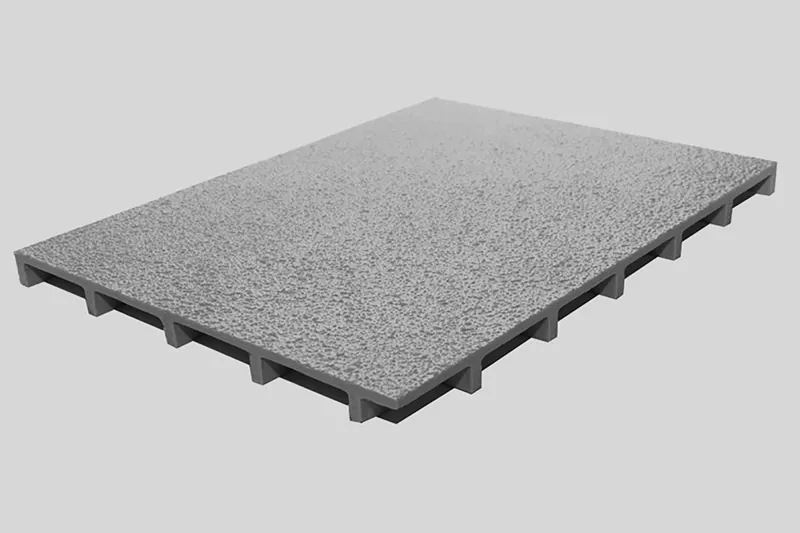
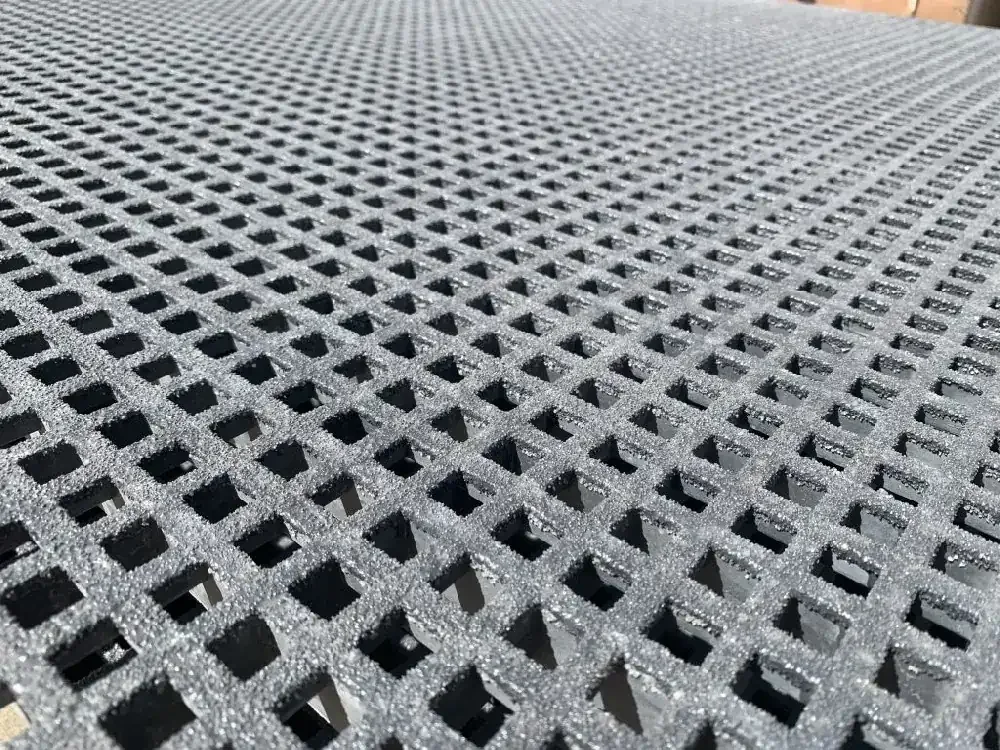
Mini-mesh (close-mesh) FRP grating is molded with a much smaller opening than standard mesh, typically around 12–13 mm. The close openings prevent tools, fasteners and small components from falling through and make the panel heel-proof for footwear.
It retains the core advantages of fiberglass grating: corrosion resistance, light weight, anti-slip surfaces and drainage, while adding a near-solid walking surface that gives personnel confidence over open areas and sensitive equipment below.
Mini-mesh panels are commonly specified for elevated platforms, mezzanines and walkways where dropped-object protection is required, and can be supplied in the same resin and color range as standard grating.
Key Benefits
- Small openings retain tools, bolts and small parts
- Heel-proof walking surface for all standard footwear
- Corrosion-proof, lightweight and anti-slip
- Drains liquids while blocking solid objects
- Dropped-object protection over equipment below
Typical Specifications
| — | — |
|---|---|
| Process | Molded FRP |
| Thickness | 25 / 30 / 38 mm |
| Mesh opening | ~12–13 mm (mini-mesh) |
| Panel size | 1220×3660 mm, custom cut |
| Resin | Orthophthalic / isophthalic / vinyl ester |
| Surface | Concave / grit-top |
| Open area | Reduced vs standard mesh |
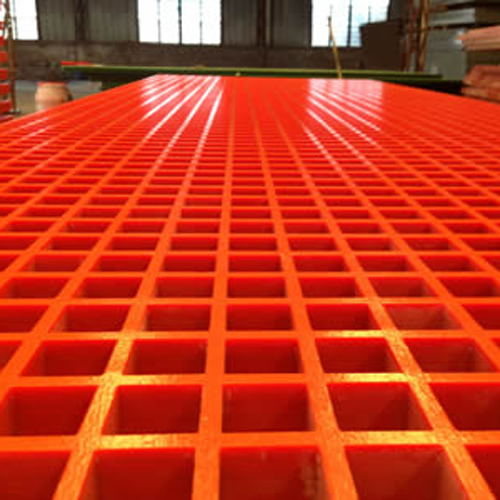
| Color | Gray, yellow, green, custom |
Common Applications
- Elevated platforms and mezzanines
- Maintenance walkways
- Offshore and marine decks
- Process plant flooring
- Areas above sensitive machinery
- Pedestrian bridges and ramps
Frequently Asked Questions
Micro Mesh Fiberglass Grating Where Small Parts Must Not Fall Through
Aperture Size and Falling-Object Protection
Micro mesh fiberglass grating uses a tightly packed molded grid with apertures around 12–19 mm, small enough to stop spanners, nuts, bolts, tools and even small heels from dropping through. It is specified above cable rooms, on mezzanine floors, in battery rooms and on racking access where anything dropped from height could damage equipment below or strike a person. The dense top layer also keeps clothing and boot laces from catching in the mesh.
Because the openings are small, the open-area ratio is lower than on standard 38×38 mm grating, which means slightly more weight per square metre and slightly less drainage. We balance aperture against drainage and load so you get protection without turning the deck into a solid plate; compare the open-area figures on our mini mesh grating datasheet against a standard panel.
Open-Area, Drainage and Slip Resistance
The fine square mesh gives a continuous anti-slip walking surface that feels firm underfoot, unlike open bar grating where small heels and shoe studs can rock. Water, oil drips and wash-down liquid still pass through the holes, so wet plant floors stay drained while the close texture resists slipping. Grit-loaded and gritted top surfaces are available for oily or icy service.
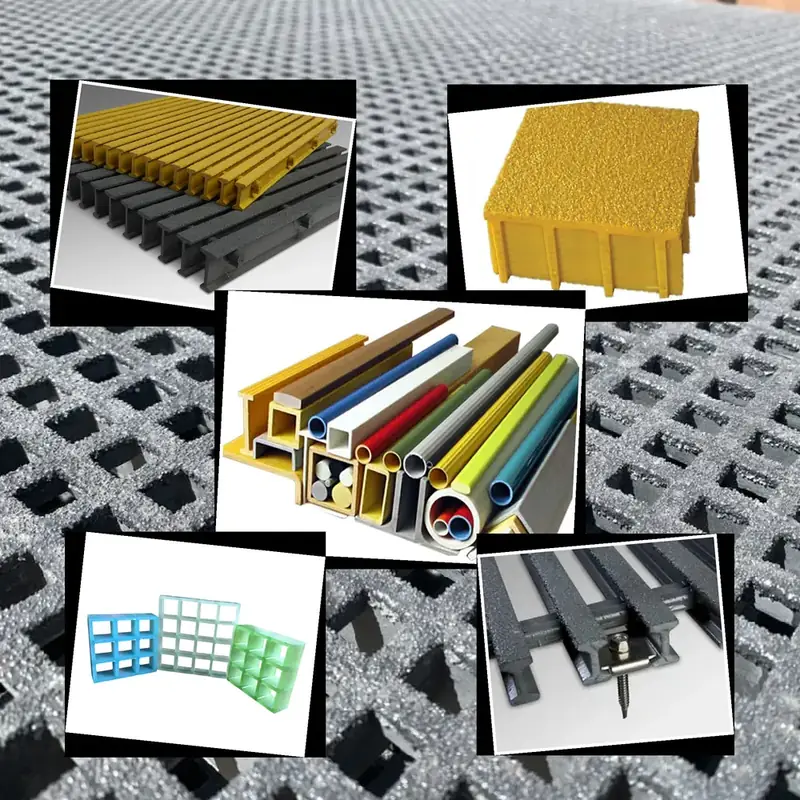
Micro mesh is cut to panels and trimmed on site with standard carbide tools; combine it with solid FRP plate at the edges and transitions, and support it on FRP structural profiles stringers. As an FRP grating supplier we supply molded micro mesh from 25 to 50 mm depth.
Battery Rooms, Mezzanines and Anti-Falling Platforms
Battery Rooms and Flammable-Vapour Zones
In lead-acid and lithium battery rooms the non-sparking, non-corroding micro mesh floor avoids the rust and short-circuit risks of steel grating, and the small aperture keeps dropped terminals and connectors off the cells below. The material is naturally non-conductive and can be supplied in conductive anti-static grade where required.
Mezzanine and Racking Access
On storage mezzanines and around conveyor galleries, the fine mesh stops falling cartons, packing clips and hand tools while letting light and sprinkler water pass. It pairs with FRP walkway grating on the main circulation routes and with handrail on every open edge.
Micro Mesh Fiberglass Grating FAQ
Product and factory gallery